

We acknowledge the blessings of God who watches over us and the children, youth, the poor and people with disabilities supported by the National Union of Disability Organisations in Rwanda (NUDOR). We serve children with physical disabilities and intellectual impairments. This organisation supports children aged 0 to 25 in the areas of health, education and social welfare. Through this organisation, children with disabilities who were isolated and abandoned by their own families and society have regained their dignity as children of God. They receive care, they study, they discover their talents and feel valued by those around them.
Their stories and testimonies show that they are capable of coping with daily life and standing up for their rights when they are violated. These children are happy and encouraged when they see that other people with disabilities have become leaders or are able to build their own homes.
Every month, the parents of these children meet to save money that will help them meet the family’s basic needs, particularly for the children with disabilities. Each parent contributes 3,000 Rwandan francs a month. When misfortune strikes one of these families, they visit one another. This encourages me in my work because it shows that they love one another as children of God. We hold a meeting with the parents once a term. At these meetings, we provide them with comprehensive support. Thanks to this, they can break out of their isolation, as most men abandon their wives when they give birth to children with disabilities.
During the summer holidays (July–August), we meet with students with disabilities to assess their progress. We encourage those who are doing well, whilst those who are struggling make commitments for the following terms. Despite some difficulties related to their disabilities, some manage to secure scholarships to study at the state university. We also take the opportunity to offer them various training courses. For example: training on reproduction, on raising children within the family… It all begins with sharing the Word of God.
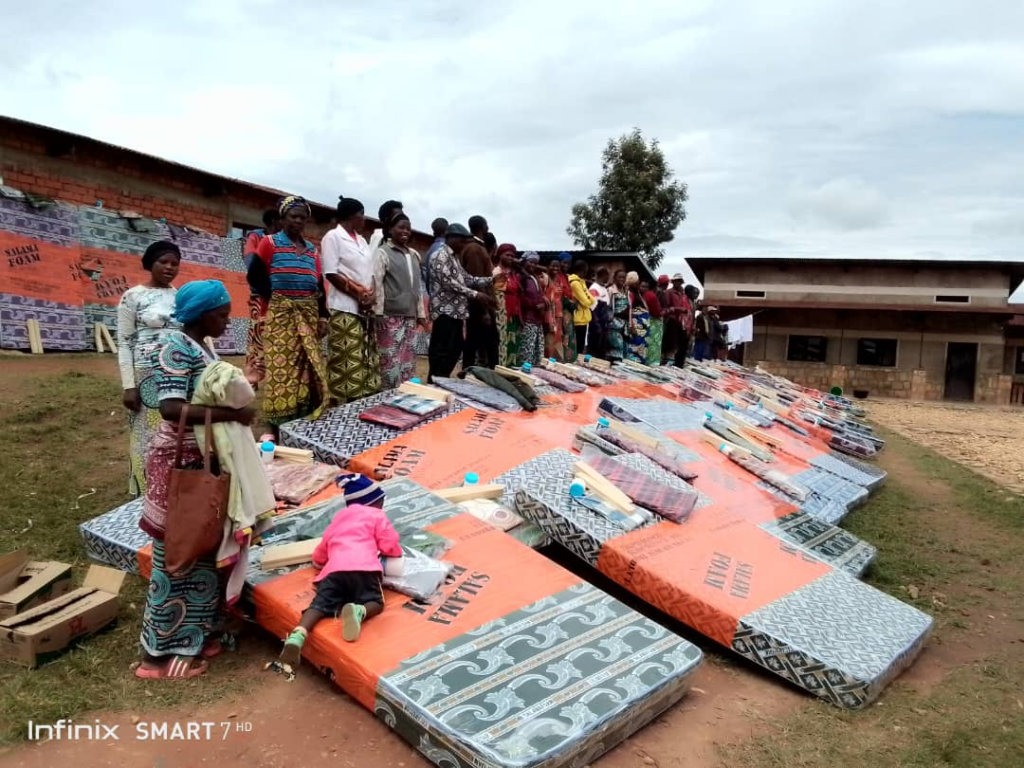
Children with disabilities who receive healthcare see improvements in their condition; some even recover. In the area we serve, most children with disabilities suffer from osteomyelitis, caused by the cold, but when treated in time, they recover. Those with other types of disability also regain their health when treated in time.
In the social sphere, we buy small livestock for them, which helps them obtain manure for their crops. We also buy hygiene products for them when necessary. We make home visits to identify the most urgent needs of children with disabilities. This visit reminds us of the Virgin Mary’s visit to her cousin Elizabeth, for in doing so, we seek to discover the face of Jesus in these most vulnerable people of our world today. We practise listening and providing personalised support for parents and their children. There, we see that they need someone to love them and listen to them attentively.
We carry out various initiatives to give a voice to the voiceless through a campaign called ‘RING THE BELL’. We run this campaign in schools to call for the removal of barriers. For example, removing stairs in schools and building paths that facilitate access for pupils with disabilities. We also lobby local authorities where possible. Sometimes, these authorities cooperate in building paths that make it easier for people with disabilities to get around, or in registering children with disabilities on the civil register.
In this department, we support pupils who are members of inclusive clubs. These clubs are made up of pupils with and without disabilities, as well as teachers. The role of these clubs is to advocate for people with disabilities, particularly within schools.
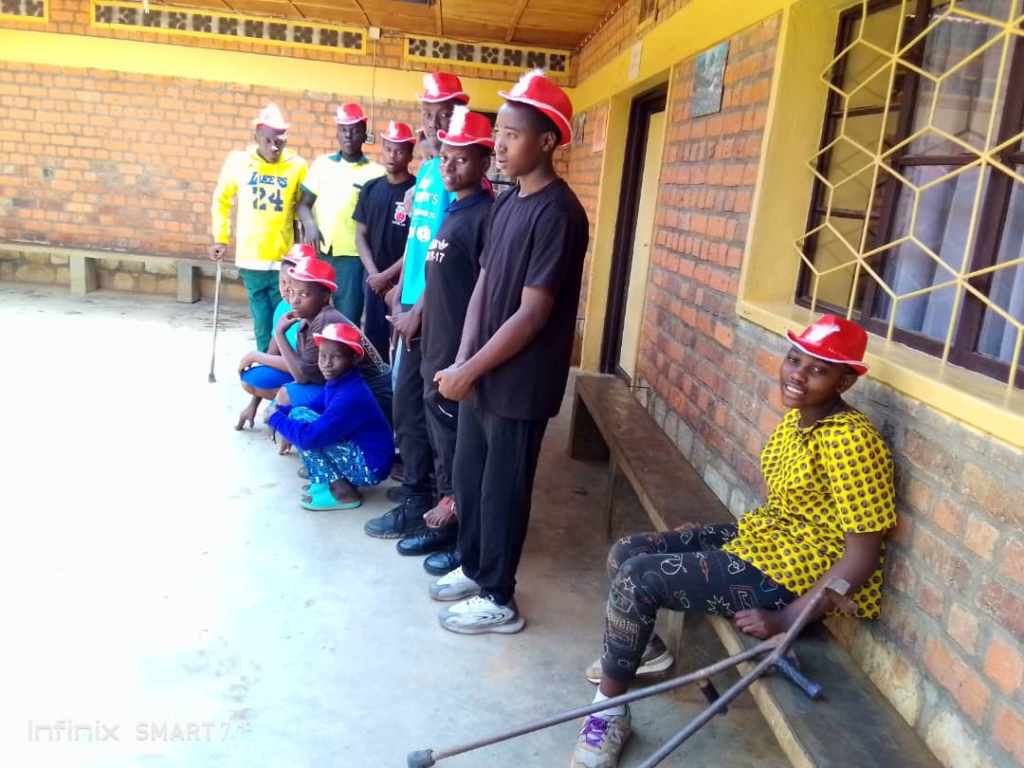
Finally, this organisation provides various training courses for those who work closely with young children with disabilities, with a view to ensuring effective annual planning and reporting. Personally, I have developed my knowledge of financial management (drawing up narrative and financial plans and submitting quarterly reports).
I conclude by thanking the Lord who enables me to see Jesus present in the person of the poor, and my Province, which has entrusted me with this service. I express my gratitude to this organisation, which helps us to serve Jesus Christ in the poor.
Sister Clémentine UWAMAHORO, DC
Central Africa Province